Author: sharma

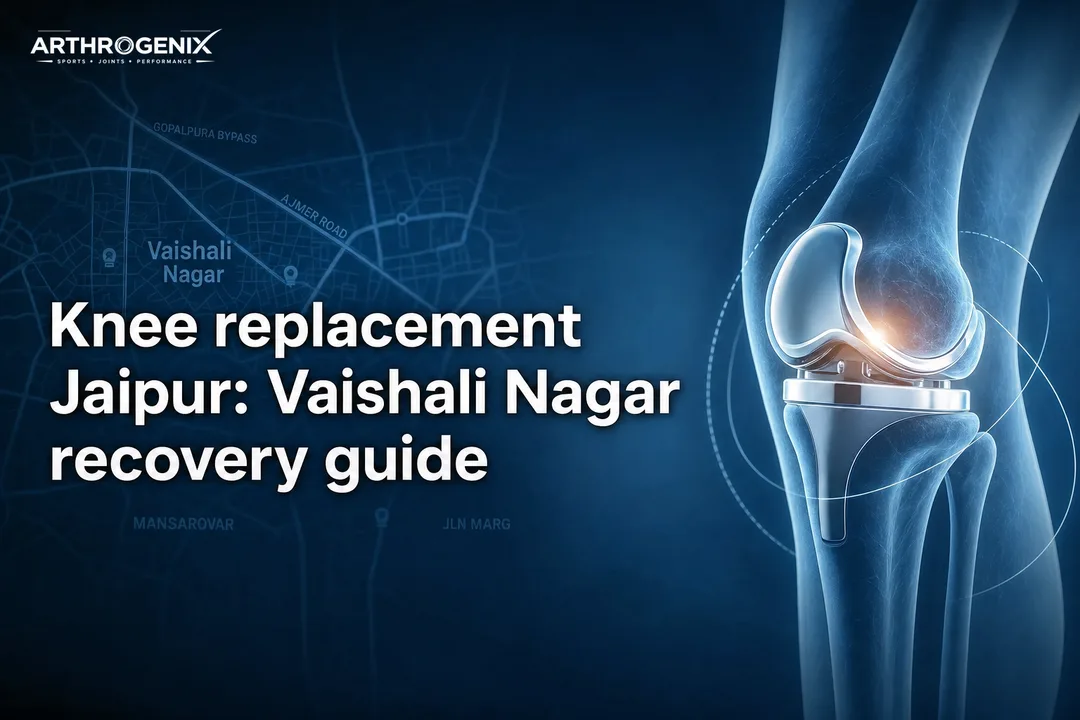
  • Knee replacement Jaipur: Vaishali Nagar recovery guide

    Knee replacement Jaipur: Vaishali Nagar recovery guide

    Knee replacement Jaipur: Vaishali Nagar recovery guide exists to give you a clear, local, step-by-step path after surgery. If you searched for knee replacement Jaipur because you want a practical plan that works in real life, you are in the right place. At ArthroGenix in Vaishali Nagar, our team supports athletes, active adults, and seniors through every stage, from pain control to a safe return to the activities you love.

    Why timing and mindset matter in recovery

    Your body heals in phases. Therefore, the right activity at the right time speeds progress and reduces setbacks. In our clinic, we see the best results when patients combine early, protected movement with disciplined swelling control and consistent home exercises. Importantly, your mindset matters. Small wins add up fast when you track progress and celebrate each notch of extra bend or longer walks without pain.

    Because every knee and lifestyle differ, your plan should fit your goals. For instance, a runner returning to gentle jogs needs different milestones than a grandparent chasing toddlers in Central Park, Vaishali Nagar. We tailor specifics, yet the broad roadmap remains the same: protect, move, strengthen, and then load the joint for life.

    knee replacement Jaipur recovery timeline at a glance

    Evidence-based timelines help set expectations. According to the UK’s National Health Service, many people walk with a cane or no aid by around six weeks and regain most daily function within three months, though full strength can take longer. See the NHS overview for details: NHS knee replacement recovery guidance. Because of this, patience plus steady work is your best friend.

    Week 0–2: protect, control swelling, walk early

    First, focus on the basics. Keep the incision clean and dry per your surgeon’s instructions. Elevate the limb above heart level several times daily. Use an ice pack or a cold-compression sleeve for 15–20 minutes, several times a day. Short, frequent walks at home promote circulation and reduce stiffness. Start ankle pumps, quad sets, and gentle heel slides as advised.

    To reduce risk, use a walker or crutches until your gait looks smooth. Meanwhile, practice safe transfers in and out of bed and chairs with arms. Measure your knee bend and straightening daily so you can spot steady gains. If swelling spikes after activity, scale back, rest, and ice before you try again.

    Pain control plan for knee replacement Jaipur

    Effective pain control unlocks movement. Therefore, follow the schedule your surgeon provided and avoid gaps that allow pain to build. Combine medication with non-drug methods such as timed icing, compression, and diaphragmatic breathing. As a result, you move more often and sleep better, which boosts healing.

    AAOS notes that total knee replacement relieves pain and improves function for a strong majority of patients over time. Review their patient resource for deeper context: AAOS OrthoInfo on total knee replacement. Notably, pain patterns vary by person. Communicate early if your plan needs adjustment so your team can help you stay on track.

    Rehab essentials in Vaishali Nagar

    In our day-to-day work at ArthroGenix, we coach patients through a structured program that fits busy Jaipur routines. We usually progress from short home walks to longer community walks, then light stairs, then strengthening under guidance. Furthermore, we plan milestones around your environment, such as local parks, apartment stairs, and work commutes, so your rehab reflects real life.

    Home setup and daily moves

    Set up a “recovery zone” before surgery. Keep essential items at waist height to avoid deep bending. Use a sturdy chair with arms, a raised toilet seat if needed, and non-slip bath mats. Next, prepare cold packs and a log to track exercises, steps, and pain scores. Small systems reduce stress and help you stay consistent.

    Checklist for your first 48 hours

    • Confirm medication timings and hydration plan.
    • Elevate and ice in regular cycles to limit swelling.
    • Do ankle pumps and quad sets every hour while awake.
    • Take three to six short walks daily inside your home.
    • Log your knee bend and extension measurements once daily.

    As pain calms and swelling declines, add standing hip abductions, mini squats to a chair, and step-ups on a low step. Progress only when you move with control and without a limp. If your knee swells more or your form breaks, take one step back. Consistency beats intensity early on.

    Safety, nutrition, and returning to sport

    Good habits compound. For example, prioritize protein at each meal to support muscle repair. Hydrate, limit alcohol, and aim for regular sleep windows. Because infection prevention matters, follow wound-care instructions closely. The U.S. Centers for Disease Control and Prevention offers practical guidance on surgical site infection prevention: CDC tips to reduce surgical site infections. Clean hands, dry dressings, and prompt reporting of redness or discharge make a real difference.

    As your strength and control improve, your therapist will add single-leg balance, side steps with a band, and step-downs. These moves train stability. Meanwhile, you will lengthen outdoor walks and work toward confident stairs. If you plan to return to golf, doubles badminton, or hiking in Nahargarh foothills, we map graded loading so you ramp up safely. Above all, your knee should earn each step with good form, not forced miles.

    Our team treats athletes and active adults daily, including ACL and PCL reconstructions, meniscus repairs, and rotator cuff cases. This experience helps us calibrate your knee-loading plan with precision. Because of this, many patients resume low-impact sport between three and six months, with timeline variability based on baseline fitness and specific goals.

    Plan your next steps with trusted experts

    Choosing the right team builds confidence. At ArthroGenix in Jaipur, Dr. Abhishek Saxena, a Senior Consultant in knee, shoulder, and sports injuries, leads a program that blends accurate diagnosis, skilled surgery, and targeted rehab. If you need a knee surgeon Jaipur or a sports injury doctor Jaipur for ongoing guidance, we can help you map a path that respects your life and work demands.

    Knee replacement in Jaipur: choosing your team

    Look for a practice that treats complex knees, not just routine cases. For instance, an experienced orthopaedic surgeon in Jaipur who also handles arthroscopy, ACL reconstruction Jaipur, PCL reconstruction, and meniscus repair Jaipur will understand the full spectrum of joint preservation and replacement. This breadth matters when you want an active, pain-free life, not just a healed incision.

    We believe in open communication and honest trade-offs. For example, we explain why early range-of-motion targets protect longer-term function, and why a slight delay in higher-impact sport can reduce flare-ups. In fact, our patients often say the clarity of the plan reduces anxiety more than any pill. If you want to see how we work, explore ArthroGenix or reach out to our Jaipur sports orthopaedic clinic for a friendly chat about goals and timelines.

    Practitioner note: In our Vaishali Nagar caseload, we see faster progress when patients pair morning mobility with late-day strength, and keep one day weekly as a “recovery emphasis” day with extra elevation and icing. That rhythm limits swelling while building function.

    As you evaluate your plan, use these signposts:

    • Within two weeks: a smoother gait at home and gradual swelling control.
    • By six weeks: longer community walks and easier stairs with a rail.
    • By three months: most daily tasks feel natural, with ongoing strength gains.

    Timelines vary due to age, baseline fitness, and surgical complexity. Nevertheless, steady work almost always pays off. Keep logging progress and adjust the plan with your team when life throws a curveball.

    Finally, keep your broader health in view. Weight management reduces joint stress. Likewise, cross-training with cycling, swimming, or elliptical work protects your knee while building capacity. If you have shoulder or back issues, a shoulder specialist Jaipur or shoulder arthroscopy Jaipur program can align upper-body training with your knee plan, so the whole chain supports you.

    Here is a simple weekly outline once you graduate from the first month:

    1. Day 1: mobility and light strength (chair sits, step-ups).
    2. Day 2: longer walk or stationary bike, core work.
    3. Day 3: mobility plus balance drills and band walks.
    4. Day 4: rest emphasis with extra elevation and brief range-of-motion.
    5. Day 5: progressive strength (mini squats, deadlifts with form).
    6. Day 6: light hike or mixed cardio, easy pace.
    7. Day 7: mobility reset, plan the next week.

    Adjust volume if your knee grumbles. When in doubt, trim intensity and keep technique sharp. Quality comes first, and then quantity follows. If concerns persist, message your therapist or surgeon before pushing ahead.

    On the equipment side, a stable shoe with a mild rocker profile often smooths early steps. Meanwhile, a compressive sleeve may improve joint awareness. However, do not rely on gadgets to replace smart training. Your body adapts best to clear, graduated loading and regular rest.

    For runners and court-sport athletes, we design a return-to-impact plan with hop tests, strength symmetry checks, and video of your gait. We also coach landing mechanics to protect your knee and spine. Similarly, if cycling is your passion, we fine-tune saddle height and cleat position to keep knee tracking clean. That level of detail reflects our roots in sports medicine Jaipur and our commitment to durable results.

    A quick word on expectations: no responsible clinician can guarantee a timeline or outcome. Bone quality, soft-tissue balance, and your history all play roles. Still, your daily choices drive a large share of the result. Therefore, keep communication open, use your log, and ask questions whenever your knee’s feedback surprises you.

    To close the loop, remember why you started. You wanted less pain, more freedom, and confidence on every step. We build your plan around that reality, not a rigid template. If you prefer morning sessions, we adapt. If you travel for work, we pack a portable routine and protect your gains while you are away.

    When you are ready, we will help you refine the next stage, from light jogs to hill walks. For those balancing other joint issues, such as rotator cuff repair or shoulder replacement Jaipur, we coordinate care so your whole body moves well together. That integrated approach is how an experienced team supports lasting change.

    If you want a personalized roadmap that fits your life in Vaishali Nagar, reach out. We will listen first, then build a clear, evidence-based plan with you. For a compassionate, athlete-informed approach, our Jaipur team is here to help you move forward with confidence after knee replacement Jaipur.
  • Dr Abhishek Saxena: top sports orthopaedic surgeon Jaipur

    Dr Abhishek Saxena: top sports orthopaedic surgeon Jaipur

    Pain should not bench your life. At ArthroGenix in Jaipur, you meet the right expert the first time. As “Dr Abhishek Saxena: top sports orthopaedic surgeon Jaipur” suggests, you are reading about a proven sports orthopaedic surgeon who treats knees, shoulders, and complex sports injuries with precision. In this guide, you will see how accurate diagnosis, minimally invasive surgery, and structured rehabilitation come together to help you move with confidence again.

    Why choose a sports orthopaedic surgeon in Jaipur

    Sport and activity place unique loads on joints. Therefore, the evaluation and treatment plan should match your goals, not just your X-ray. A specialist who lives in this world understands timelines, return-to-play criteria, and how to protect the long-term health of cartilage and ligaments.

    In our clinic, we often see athletes arrive with persistent knee or shoulder pain after a fall, pivot, or heavy lift. Importantly, the right first step is a structured exam that maps symptoms to specific structures. For example, a classic pivot injury with swelling and giving way suggests an ACL tear with possible meniscal damage. Conversely, night pain and weakness with overhead reach point toward a rotator cuff problem.

    Meet your sports orthopaedic surgeon: Dr Abhishek Saxena

    Dr Abhishek Saxena leads ArthroGenix as Senior Consultant in Shoulder, Knee, and Sports Injuries. Moreover, he focuses on advanced arthroscopy, ACL and PCL reconstruction, meniscus repair, rotator cuff repair, shoulder stabilization, joint preservation, and knee replacement when needed. As a sports orthopaedic surgeon, he aligns each decision with what you need to do at work, in training, and at home.

    In our day-to-day work, a pattern we repeatedly see is under-diagnosed ligament and cartilage injuries. Consequently, we prioritize a careful history, targeted clinical tests, high-resolution imaging when indicated, and diagnostic arthroscopy only when noninvasive methods leave doubt. This pathway avoids delays and sets a clear plan, whether you are a weekend runner or a professional performer.

    Shoulder and knee expertise that keeps you moving

    Knees and shoulders deliver power and control for sport. However, they are also the joints most prone to ligament, tendon, and cartilage injury. At ArthroGenix, we design care to protect what matters most: motion, strength, and trust in your body.

    Advanced sports orthopaedic care at ArthroGenix

    We aim to preserve your native tissue whenever possible. For instance, we repair the meniscus rather than remove it if the tear pattern and blood supply allow. Similarly, we choose anatomic ACL and PCL reconstructions that restore the knee’s natural biomechanics and reduce rotational laxity. For shoulders, we favor arthroscopic rotator cuff repair and stabilization that respect tendon quality and bone anatomy.

    Because each person loads tissue differently, we personalize graft choice, fixation strategy, and rehab milestones. Additionally, we collaborate with your physiotherapist from day one. That way, prehab builds strength and body awareness before surgery, and rehab advances safely after it.

    Techniques that protect tissue and speed recovery

    Minimally invasive arthroscopy uses small keyhole incisions and a fiber-optic camera to diagnose and treat joint problems. According to the U.S. National Library of Medicine, arthroscopy allows surgeons to address many conditions through smaller cuts, which often means less pain and faster early recovery compared with open surgery (MedlinePlus: Arthroscopy overview). We combine these techniques with enhanced recovery protocols that optimize pain control and mobility.

    Minimally invasive arthroscopy and joint preservation

    Joint preservation means solving the current problem while protecting cartilage for the future. Therefore, we select procedures that stabilize joints, restore alignment, and keep healthy tissue intact. When cartilage injury is present, we tailor options such as microfracture or cartilage restoration depending on lesion size, location, and your activity demands.

    For example, a young footballer with an ACL tear and repairable meniscus benefits from anatomic ACL reconstruction plus meniscal repair. On the other hand, a mid-life recreational athlete with partial-thickness rotator cuff wear may do best with targeted debridement, biologic augmentation, and a strengthening program. Notably, we reserve joint replacement for arthritis that no longer responds to conservative or arthroscopic care.

    ACL and meniscus: what the evidence says

    The ACL does not heal reliably on its own. Furthermore, about half of ACL injuries occur with damage to structures like the meniscus and articular cartilage, which adds complexity to treatment planning (AAOS OrthoInfo: ACL Injuries). This is why a comprehensive arthroscopic assessment and repair strategy can protect long-term knee function.

    Timing for return to sport matters as well. In a cohort study published in the British Journal of Sports Medicine, each month you delay return to pivoting sport up to nine months after ACL reconstruction reduced the risk of re-injury by 51% (BJSM via PubMed: Delaware-Oslo ACL cohort). Consequently, we set realistic timelines and use objective criteria such as strength symmetry, hop tests, and movement quality before clearing athletes.

    Graft choices and return-to-sport timelines

    Graft options include hamstring tendon, quadriceps tendon, or bone–patellar tendon–bone. Each has trade-offs. For instance, patellar tendon grafts can offer robust fixation but may cause anterior knee discomfort with kneeling. Meanwhile, hamstring grafts spare the patellar tendon but require careful protection of hamstring strength early on. We discuss these details upfront so the plan matches your sport and body.

    Recovery, rehab and realistic expectations

    Strong outcomes flow from disciplined rehab. First, we control pain and swelling. Next, we restore range of motion and neuromuscular control. Finally, we build strength and sport-specific patterns. Throughout, we track objective milestones so progress stays steady and safe.

    Results vary with injury grade, tissue quality, and adherence to therapy. However, a clear plan removes guesswork. For example, after meniscus repair, we protect deep squats early to shield the repair. After rotator cuff repair, we begin with passive motion, then progress to active control and strengthening. Because of this structure, you return to life and sport with confidence rather than doubt.

    • ACL and PCL reconstruction with individualized graft selection
    • Meniscus repair and root repair to preserve shock absorption
    • Rotator cuff repair and shoulder stabilization for instability
    • Cartilage preservation and alignment procedures when indicated
    • Knee and shoulder arthroscopy for targeted diagnosis and treatment
    • Knee replacement for advanced arthritis unresponsive to other care

    How to book at ArthroGenix and what to expect

    Booking is simple and patient-friendly. Visit ArthroGenix to connect with our team, or call to schedule an assessment. At your visit, we listen first. Then we examine your joint, review tests if available, and, if needed, order imaging that answers clear clinical questions. Finally, we outline a stepwise plan that begins with the least invasive option that can work.

    Before any procedure, we discuss benefits, risks, and alternatives in plain language. Additionally, we share a written rehab roadmap so you and your physiotherapist stay aligned. If surgery is the right choice, you will know exactly how to prepare, what the day looks like, and what success means at each phase. To start your journey, you can also book an appointment at our Jaipur clinic online.

    Choosing the right partner for joint care matters. In Jaipur, Dr Abhishek Saxena and ArthroGenix focus on precise diagnosis, minimally invasive solutions, and evidence-based rehab that respects your goals. In short, we help athletes, active adults, and seniors move well without unnecessary delays. If you are comparing options, remember that a sports orthopaedic surgeon brings experience that aligns care with performance and long-term joint health. We welcome your questions and look forward to guiding your next step—whether that is expert advice, targeted therapy, or surgical care when indicated.

  • Should I consider shoulder replacement Jaipur this year?

    Should I consider shoulder replacement Jaipur this year?

    If you searched for a sports orthopaedic surgeon because your shoulder pain will not quit, you might be asking, “Should I consider shoulder replacement Jaipur this year?” In this guide, we explain how to judge timing, what modern surgery involves, and how ArthroGenix in Jaipur helps you decide with confidence.

    Are you a candidate? Key signs and symptoms

    Persistent pain that limits sleep or daily function is the first red flag. If your shoulder grinds, locks, or gives way, you should get a specialist assessment. Furthermore, advancing osteoarthritis, rheumatoid damage, or massive irreparable rotator cuff tears can make daily life exhausting.

    At ArthroGenix, we see patterns. Many active adults push through pain for months. However, when pain blocks work, sport, and even dressing, they arrive ready for solutions. Not everyone needs an implant. Yet some benefit greatly when joint surfaces are too worn to salvage.

    • Night pain despite medication and rest
    • Severe stiffness with a shrinking range of motion
    • Grinding or catching that worsens with use
    • Failed relief after high-quality physiotherapy and injections
    • Imaging that shows advanced arthritis or cuff tear arthropathy

    Importantly, timing matters. Too early and you risk an unnecessary surgery. Too late and muscles weaken, which complicates recovery. Therefore, a measured, specialist-led pathway protects you either way.

    When is shoulder replacement Jaipur the right option?

    We weigh your story, goals, exam, and imaging. First, we optimise non-surgical care if the joint still has workable cartilage or a repairable rotator cuff. In addition, we use targeted injections to confirm the true pain source. When arthritis destroys the joint surface or the cuff cannot power the arm, replacement moves to the front of the line.

    Conservative care vs surgery in Jaipur

    Quality physiotherapy remains a cornerstone. For many, posture training, scapular control, and rotator cuff strengthening reduce pain. Anti-inflammatory strategies and activity tweaks also help. However, when X-rays show bone-on-bone change and daily function stalls, surgery may restore comfort and reach.

    Red flags that prompt earlier surgery

    Some signs point to sooner intervention. For example, repeated shoulder dislocations in older adults with cuff tears, severe deformity on imaging, or rapid loss of strength signal a joint that will not respond to exercises alone. In these cases, delaying often extends suffering without real gain.

    Costs and insurance for shoulder replacement Jaipur

    Financial planning eases stress. In Jaipur, coverage varies by insurer and policy. Therefore, we outline package estimates, implant options, and coverage letters early. Our team helps you navigate approvals, so you can focus on recovery instead of paperwork.

    What to expect from shoulder replacement in Jaipur

    Modern implants and techniques changed the game. According to the American Academy of Orthopaedic Surgeons, most patients experience substantial pain relief and improved function after shoulder arthroplasty when appropriately selected (AAOS overview of shoulder replacement). At ArthroGenix, Dr. Abhishek Saxena selects between anatomic and reverse designs based on your rotator cuff integrity and bone quality.

    Anatomic vs reverse: which suits your shoulder?

    Anatomic shoulder replacement mimics the natural ball-and-socket. We use it when the rotator cuff can still stabilise and power your shoulder. In contrast, reverse shoulder replacement switches ball and socket positions to let the deltoid muscle drive the arm. This option helps when the cuff is irreparable or arthritis coexists with large tears. Importantly, both approaches aim to reduce pain and restore function, but indications differ.

    Evidence supports the approach selection. Peer-reviewed studies report strong pain relief and function gains, with implant survival that often exceeds a decade in the right patients (PubMed: outcomes in reverse shoulder arthroplasty). That said, results vary with diagnosis, bone quality, rehab effort, and surgeon experience.

    We also plan adjunct procedures. For example, we may release a tight capsule, manage biceps pathology, or address bone spurs during the same sitting. Careful pre-op templating and intraoperative checks help us achieve balanced soft tissues and stable motion.

    Choosing a sports orthopaedic surgeon in Jaipur

    Surgeon selection shapes your journey. Look for deep shoulder experience, arthroscopy mastery, and an evidence-led approach that respects your goals. Our Senior Consultant, Dr. Abhishek Saxena, focuses on shoulder, knee, and sports injuries, including arthroscopy, rotator cuff repair, instability care, and joint replacement. Moreover, our team aligns surgery with a detailed rehab plan before day one.

    In our clinic, we first try to save joints. If your shoulder still responds to joint preservation, we will prove it with targeted tests and a rehab trial. Conversely, if advanced disease blocks progress, we explain why replacement or a reverse design better serves you now. You get a tailored path either way. To learn more about our approach, explore ArthroGenix or speak with our Jaipur orthopaedic team.

    Finally, consider facilities and protocols. A modern OT, infection control, regional anaesthesia expertise, and coordinated physiotherapy improve comfort and safety. We emphasise enhanced recovery, which gets you moving early with less pain and fewer drains.

    Recovery, results, and risks: a balanced view

    Expect a steady, staged recovery. In the first weeks, you protect the repair and start guided motion. Because of this early movement, you reduce stiffness and swelling. Your therapist then progresses strengthening as healing allows. Most people return to desk work in a few weeks, but heavy labour takes longer.

    Rehab timeline and return to activity

    Timelines vary by procedure and patient factors. Generally, you use a sling for 2–4 weeks for comfort. Meanwhile, passive and assisted range-of-motion begin early. By 6–8 weeks, many patients start light strengthening. By 3–4 months, daily tasks feel easier. Golf, swimming, and controlled gym work often resume between 4–6 months with surgeon approval. Notably, heavy contact sports or high-impact lifting may need longer.

    We individualise every rehab plan. For example, reverse shoulder patients focus on deltoid activation patterns, while anatomic patients progress cuff conditioning. Your physiotherapist coordinates with our surgeons at each stage, so exercises match your healing phase.

    For context, national guidance notes that most patients achieve meaningful pain relief and functional improvement after replacement when they follow a structured program (NIAMS overview of osteoarthritis care). Therefore, consistent rehab and correct activity pacing matter as much as the operation itself.

    Remember lifestyle tweaks. Simple changes, like ergonomic set-ups, posture resets, and sleep support, help you progress faster. Furthermore, an anti-inflammatory diet, good hydration, and smart stress management can support healing.

    During follow-up, we track motion, comfort, strength, and confidence with daily tasks. If you hit any speed bumps, we adjust and guide. As a result, you avoid setbacks and keep momentum.

    Realistic risks and how we reduce them

    All surgery carries risk. Potential complications include infection, stiffness, nerve irritation, fracture, instability, and implant wear over time. Fortunately, good planning and disciplined technique lower those risks. We use pre-op optimisation, precise implant sizing, and proven infection-control bundles to stack the odds in your favour.

    Honesty builds trust. We discuss risk in clear language, outline warning signs, and share how to respond. You receive a written plan and direct contacts. Consequently, you know what to expect and when to reach out.

    Pain control blends methods. We favour multimodal analgesia with regional blocks, targeted medicines, and gentle early activity. This approach reduces opioid use and speeds mobility. Importantly, you stay an active partner in your plan.

    Longevity depends on several factors. Implant type, surgical accuracy, bone quality, and activity levels influence durability. Many modern designs last well beyond a decade in suitable patients, yet no implant is permanent. Therefore, we schedule periodic checks, even when you feel great.

    Throughout your journey, we keep the big picture clear. The goal is not only pain relief. It is a stable, confident shoulder that supports the life you enjoy.

    Before you decide, gather key facts. Ask about implant choice, expected range-of-motion, pain control, rehab milestones, and realistic timelines for your job and sports. Importantly, confirm who coordinates your care from prehab through final discharge.

    To summarise, thoughtful selection, precise surgery, and committed rehab drive great outcomes. If you still wonder about timing, consider a decision visit. We can compare joint preservation and replacement using your imaging, your goals, and your daily demands.

    At ArthroGenix, we combine advanced arthroscopy, ligament reconstruction, and joint replacement expertise under one roof. As a result, you receive an unbiased recommendation that fits your shoulder, not a one-size plan.

    Finally, if you are at the crossroads, you are not alone. Many patients feel uncertain until they see a clear map. We will lay that map out with you.

    So, should you move forward now? If your pain dominates days and nights despite quality care, if imaging shows advanced damage, and if your goals need strength and reach, the scales may tip toward shoulder replacement Jaipur. Otherwise, we will defend joint preservation and prove progress with a focused plan.

    Whenever you are ready, we are here to help you move without fear, sleep without ache, and return to what you love—safely and at your pace.

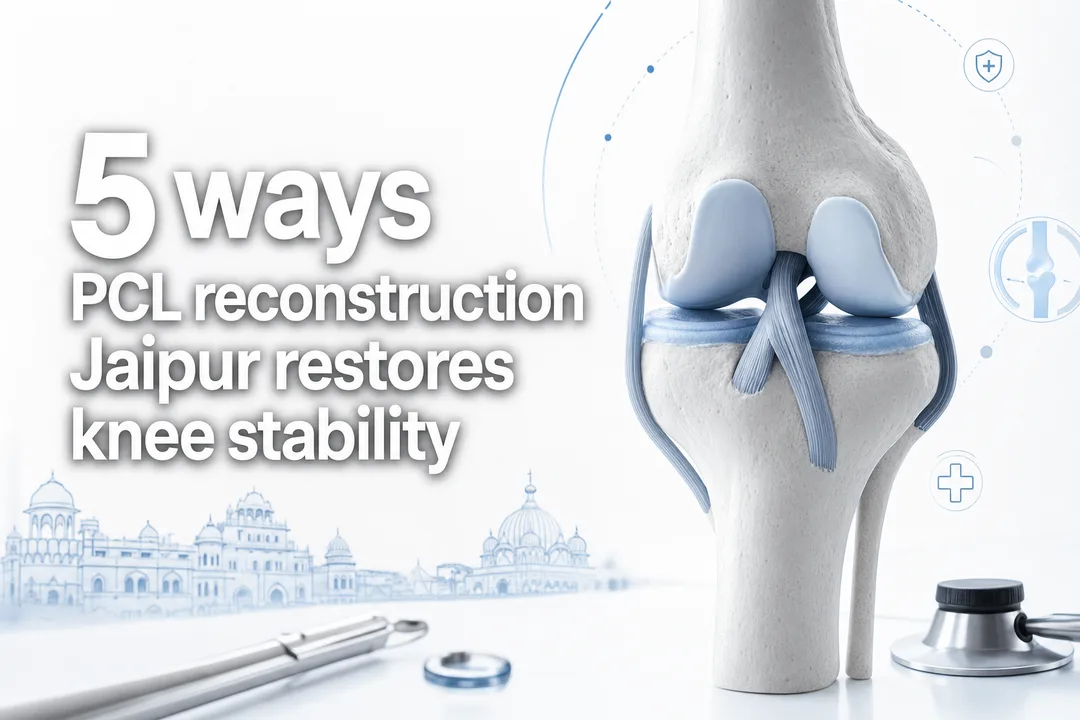
  • 5 ways PCL reconstruction Jaipur restores knee stability

    5 ways PCL reconstruction Jaipur restores knee stability

    In this guide—5 ways PCL reconstruction Jaipur restores knee stability—we explain how evaluation, surgical technique, and rehab come together to stop posterior sag and give you reliable movement again. If you are weighing options with a sports orthopaedic surgeon, you will learn what matters before, during, and after surgery to protect your knee and return to activity.

    Why knee stability fails after a PCL tear

    The posterior cruciate ligament prevents the shinbone from sliding backward under the thighbone. When it tears, the tibia rests too far back. As a result, your knee can feel loose during stairs, squats, or braking while running. Over time, that abnormal glide can stress the meniscus and the cartilage on the medial femoral condyle and tibial plateau.

    From our experience treating athletes and active professionals in Jaipur, we see two patterns. First, low-grade or isolated tears may feel stable enough with bracing and targeted rehab. Second, high-grade or combined injuries with the ACL, posterolateral corner, or meniscus often keep the knee unstable without surgical reconstruction. Therefore, your exam should always include posterior drawer testing, dial tests, and gait assessment.

    Authoritative guidance recognizes this decision-making. For instance, the American Academy of Orthopaedic Surgeons notes that many isolated PCL injuries improve with non-operative care, while severe or combined tears may need surgery to restore function (AAOS OrthoInfo overview of PCL injuries). Likewise, a clinical review on the NCBI Bookshelf details how persistent instability and multi-ligament trauma are key indications for reconstruction (StatPearls: Posterior Cruciate Ligament Knee Injuries). Additionally, MedlinePlus outlines rehab principles and injury mechanisms that inform the plan of care (MedlinePlus: Knee ligament injuries).

    5 ways PCL reconstruction Jaipur restores knee stability

    Reconstruction aims to recreate native ligament anatomy and correct posterior tibial translation. Below are five levers that, when done well, help patients feel stable and move with confidence again.

    • Anatomic tunnel placement that restores the PCL’s footprint
    • Graft selection and fixation that limit posterior sag
    • Addressing associated structures to balance forces
    • Precision arthroscopy to correct subtle drivers of pain
    • Structured, protection-first rehabilitation

    Anatomic tunnel placement for true knee mechanics

    Surgeons create tunnels in the femur and tibia to anchor the graft on the PCL’s anatomic footprints. When those tunnels match native attachment sites, the graft checks posterior glide throughout the arc of motion. Consequently, patients report less giving way during daily tasks and sport-specific moves.

    Single-bundle vs double-bundle decisions

    Both techniques aim to restore function. Single-bundle reconstructs the primary restraint and simplifies the construct. Double-bundle attempts to reproduce both anterolateral and posteromedial fiber sets for finer control. Importantly, the choice depends on knee size, associated injuries, and surgeon expertise. In our clinic, we discuss trade-offs openly so the plan fits your goals.

    Fluoroscopic guidance and arthroscopic visualization help confirm tunnel placement. Moreover, careful tunnel orientation reduces graft impingement and preserves bone stock for robust fixation. In practice, these technical details translate into smoother flexion and a firmer end point on posterior drawer testing.

    Graft choice and fixation minimise posterior sag

    Your graft is the new ligament. Common options include autograft (patient’s own hamstrings, quadriceps, or patellar tendon) or allograft (donor tissue). Each has pros and cons. For example, autograft offers biologic vitality and secure fixation, while allograft avoids donor-site soreness and speeds early rehab. However, activity level, tissue quality, and timing after injury all matter.

    Equally critical, fixation must resist constant posterior shear. Therefore, surgeons use suspensory buttons, interference screws, or hybrid constructs to secure the graft while it incorporates. When fixation holds and tunnels are anatomic, the graft functions as a checkrein against unwanted motion.

    When is PCL reconstruction Jaipur recommended?

    We recommend surgery when posterior sag persists despite focused rehab, when you have a high-grade tear, or when you carry a multi-ligament injury pattern. Notably, continued instability can overload cartilage and meniscus, which raises long-term wear risk. If you want to return to cutting sports, manual work, or demanding fitness, stable mechanics support safer performance.

    Patients choosing PCL reconstruction Jaipur often ask about recovery timelines. Typically, you walk with support early, yet heavy hamstring loading stays limited in the first weeks. Additionally, we tailor timelines to your tissue quality, graft type, and sport. Because of this, you get a plan that protects the graft while building capacity for strong return-to-play testing.

    Rehab milestones after PCL surgery in Jaipur

    Reconstruction is half the story. Thoughtful rehab finishes the job by guiding graft maturation and retraining neuromuscular control. As a result, disciplined progressions reduce setbacks and boost long-term satisfaction.

    Phased loading protects the graft

    In the protection phase, we prioritise full extension, quiet swelling, and quad activation. For example, heel props, patellar mobilisations, and straight-leg raises build a solid base without stressing the posterior tibia. Meanwhile, we limit deep flexion under load because that increases posterior translation.

    Next, the strength phase layers in closed-chain patterns like split squats, step-ups, and monitored cycling. Importantly, we coach alignment and pace, since quality reps rebuild confidence and knee symmetry. Then, the power and plyometric phase reintroduces running progressions, directional changes, and controlled landings. Finally, sport integration confirms that your knee tolerates volume, speed, and chaos.

    Objective criteria matter. Therefore, we track limb symmetry indexes, hop tests, and strength ratios before we clear you for higher demands. In fact, athletes who pass objective benchmarks tend to report smoother returns and fewer relapses. We apply the same principles to active adults who need reliable knees for work and life.

    How ArthroGenix guides safer comebacks

    At ArthroGenix in Jaipur, Dr. Abhishek Saxena and our team align diagnosis, arthroscopy, and rehab into one plan. We start by mapping your injury: clinical testing, motion analysis, and targeted imaging. Then we discuss options honestly, including non-operative pathways and timelines. Because every knee is unique, you get a plan that respects your sport, job, and goals.

    When surgery is indicated, we use advanced arthroscopy to address more than the ligament. For instance, we smooth unstable cartilage edges, assess meniscal root integrity, and release adhesions that limit glide. Furthermore, we set graft tension with your knee in ranges that protect posterior stability during daily life. This is where real-world experience matters most.

    Our clinicians coordinate rehab with clear guardrails and communication. As a result, you always know the next milestone and the criteria to earn it. If you are researching options, explore how our approach at ArthroGenix blends surgical precision with high-performance rehab to speed safe, confident returns.

    We also support shoulders, ACL and meniscus repairs, and joint preservation strategies for complex knees. Additionally, we counsel on load management, footwear, and strength plans that protect your investment in surgery. For broader context, our Jaipur-based team delivers comprehensive sports injury management under one roof.

    Every patient progresses at a different pace. Healing depends on tear grade, tissue quality, graft choice, and diligence with therapy. Therefore, we never promise instant results. However, with clear criteria, steady effort, and good sleep and nutrition, most people report meaningful stability gains and lower pain across the first few months.

    If you need guidance, our team is ready to help you decide if surgery fits your goals and to map a practical path back to the activities you love. Learn more about our evidence-based care at sports orthopaedic care in Jaipur.

    In short, 5 ways PCL reconstruction Jaipur restores knee stability come down to precise anatomy, strong fixation, complete arthroscopic care, criteria-driven rehab, and an honest partnership with your clinical team. If you are weighing PCL reconstruction Jaipur, we are here to answer questions and support you from first consult to full return.

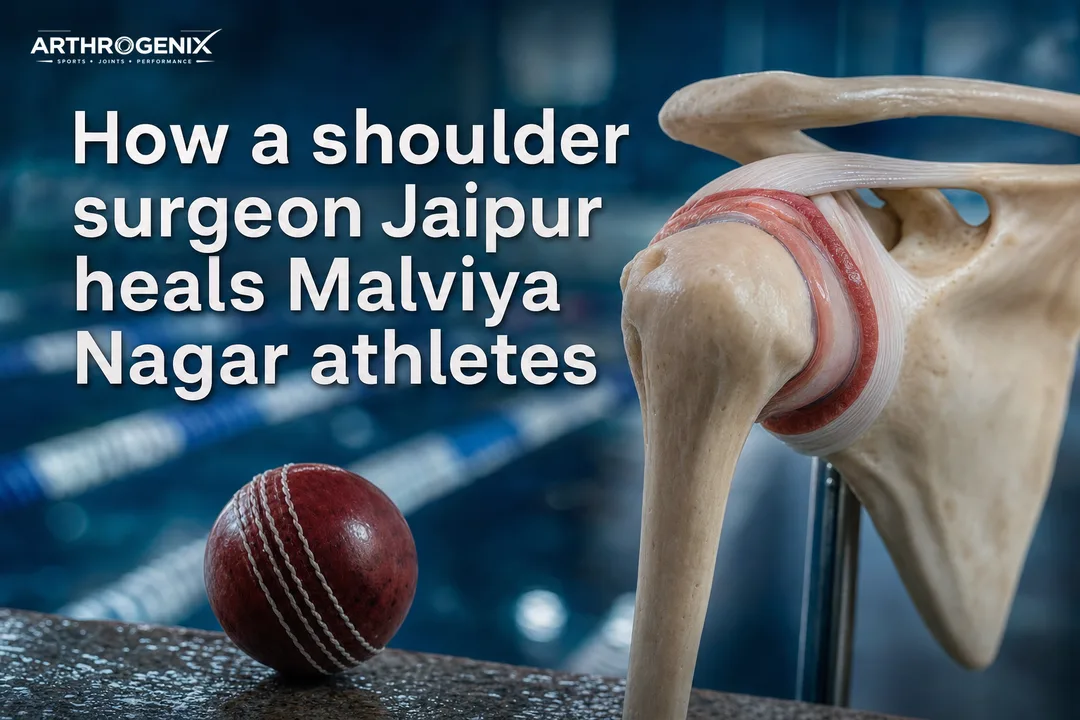
  • How a shoulder surgeon Jaipur heals Malviya Nagar athletes

    How a shoulder surgeon Jaipur heals Malviya Nagar athletes

    How a shoulder surgeon Jaipur heals Malviya Nagar athletes comes down to accurate diagnosis, minimally invasive care, and sport-specific rehab. At ArthroGenix in Jaipur, we see local cricketers, swimmers, volleyball players, and gym-goers every week, and we guide them from pain to performance with a clear, stepwise plan.

    The demands on Malviya Nagar athletes: why shoulders get hurt

    Malviya Nagar’s training grounds, clubs, and gyms create a thriving sports culture. However, overhead motions load the shoulder complex in ways that many athletes underestimate. Repeated force at end range stresses the rotator cuff, labrum, and biceps anchor while the shoulder blade muscles try to stabilize the joint.

    In our clinic, patterns repeat. Throwers and servers arrive with posterior shoulder tightness and cuff tendinopathy. Meanwhile, contact athletes present with instability after a fall or tackle. Importantly, small technique errors or rapid training spikes often trigger big symptoms.

    Because the shoulder relies on dynamic control more than bony stability, minor imbalances can snowball. For instance, a stiff thoracic spine changes arm slot and increases shear on the labrum. As a result, athletes feel deep pain, clicking, or loss of power. Addressing the real driver, not just the sore spot, is the key.

    How a shoulder surgeon Jaipur assesses, images, and explains findings

    Fast, precise diagnosis builds trust and saves seasons. First, we take a sport-specific history: position, volume, recent load changes, and previous injuries. Then we run functional tests that mimic the athlete’s demands. Consequently, we catch issues that a basic exam might miss.

    What to expect in your first visit and exam

    Expect a structured flow. We check shoulder range, strength in different planes, scapular control, and core involvement. We compare right and left sides under light load. In addition, we assess the neck and thoracic spine to rule out referred pain.

    If imaging is warranted, we start with X-rays to assess bone and joint space. For soft tissue, ultrasound or MRI-arthrogram clarify rotator cuff quality, labral integrity, and biceps anchor status. We explain images in plain language so you leave with clarity, not confusion.

    Return-to-play criteria and strength benchmarks

    Clear checkpoints prevent setbacks. Typically, you must achieve pain-free range, symmetric rotator cuff and scapular strength, and sport-specific endurance. Moreover, we use objective tests like external rotation endurance and closed-chain stability tasks before green-lighting full return.

    Advanced treatment options: arthroscopy, repair, and recovery

    We favour conservative care when it can restore function. However, when structural damage limits progress, we discuss arthroscopy. Minimally invasive procedures allow targeted repairs with less tissue trauma and, often, a faster initial recovery.

    Rotator cuff, labrum, and instability: choosing the right path

    Cuff tendinopathy usually responds to load management and progressive strengthening. In contrast, a full-thickness tear in a power athlete may need surgical repair. For recurrent dislocations, a labral (Bankart) repair or an alternative stabilization strategy may restore stability for contact sports. Notably, choice depends on tear pattern, tissue quality, sport, and season timing.

    Evidence guides timelines. According to the American Academy of Orthopaedic Surgeons, most patients regain functional range and adequate strength by around four to six months after rotator cuff repair, though full recovery can take longer depending on tear size and demands (AAOS OrthoInfo rotator cuff surgery overview). Therefore, we align expectations early and tailor plans to each sport’s calendar.

    For shoulder instability, surgical details matter. As NCBI’s StatPearls review of Bankart lesions outlines, restoring the labrum and capsular tension can meaningfully reduce redislocation risk. Still, tissue quality, bone loss, and athlete role influence procedure choice. We discuss options openly and match them to your goals.

    Smarter rehab and prevention for faster, safer comebacks

    Rehab is where careers recover. We build phased programs with measurable targets, not vague timelines. First, we calm pain and protect healing tissues. Next, we rebuild strength and control through progressive loading. Finally, we reintroduce high-speed skills under fatigue to mirror match demands.

    Technique tweaks from a Jaipur shoulder specialist

    Small changes protect big throws. For example, improving thoracic extension can shift stress off the cuff. Additionally, cueing a later ball release or better trunk rotation often reduces impingement. In swimmers, early vertical forearm and a steadier kick lessen shoulder drag. We coach these adjustments alongside strength work so habits reset together.

    • Mobilize what is stiff: thoracic spine, posterior capsule, and pec minor.
    • Stabilize what is loose: rotator cuff endurance and scapular control.
    • Optimize technique: arm slot, timing, and hip–trunk–shoulder sequencing.
    • Manage load: smart progression, deload weeks, and monitor total volume.
    • Recover well: sleep, protein intake, and measured return-to-throw plans.

    Rehabilitation principles a shoulder surgeon Jaipur uses

    We design rehab that respects biology and performance. Early on, isometrics reduce pain without stressing repairs. Then we layer isotonic strength and closed-chain control. Importantly, we add velocity-based work and deceleration drills before sport skills. Consequently, athletes handle late-game fatigue without form collapse.

    A trusted return-to-sport framework also helps decisions. The BJSM return-to-sport consensus statement recommends a biopsychosocial approach: medical status, performance tests, and athlete confidence all matter. Because of this, we clear athletes only when objective data and confidence align.

    From first whistle to full contact: our step-by-step care pathway

    We map the journey so you always know what comes next. Transparency reduces fear and speeds adherence. Here is the typical flow we follow at our Jaipur sports clinic.

    First, we triage. We rule out red flags, calm pain, and set short-term activity modifications. Next, we diagnose with targeted tests and, when needed, imaging. Then we start a phase-based plan with weekly goals, not just general advice.

    As strength returns, we introduce speed and control challenges. For throwers, we use graded return-to-throw charts. For swimmers, we modulate paddles, tempo, and distance. For contact athletes, we add controlled contact and reactive drills. Finally, we run a structured return-to-play test day.

    In our experience with Jaipur’s competitive and recreational athletes, confidence grows when objective criteria lead the process. Clear numbers beat guesswork every time.

    Communication ties it together. We update coaches, trainers, and parents so everyone rows in the same direction. Moreover, we schedule check-ins to reassess, de-load if needed, and avoid overreaching just before key events.

    For athletes seeking specialized care, our team at ArthroGenix coordinates surgeon, physio, and performance staff under one plan. Therefore, you get unified guidance rather than mixed messages.

    Practical tips Malviya Nagar athletes can act on today

    You can protect your shoulder starting this week. The best programs blend strength, mobility, and skill. Importantly, they also respect volume.

    First, check your posture in everyday life. A tight chest and rounded upper back invite impingement during overhead tasks. Next, add two simple drills: side-lying external rotation for the cuff and wall slides for scapular control. Finally, track throwing or serving volume to keep spikes under 10% per week.

    Technique tune-ups matter as well. For example, cricketers who delay trunk rotation often overload the shoulder. Similarly, swimmers who cross midline during the catch increase stress. Because of this, film yourself from the side and front, then adjust with a coach.

    Nutrition and recovery support healing. Aim for sufficient protein across the day, not just at dinner. In addition, prioritize consistent sleep to consolidate motor learning and tissue repair. Even one more hour can make training feel smoother and safer.

    If symptoms persist beyond a couple of weeks, or if you feel instability after a fall, seek a skilled evaluation. An experienced sports orthopaedic surgeon can separate aches from injuries that need targeted care.

    Why athletes choose ArthroGenix in Jaipur

    At ArthroGenix, Dr. Abhishek Saxena leads shoulder, knee, and sports injury care with a sharp focus on arthroscopy and joint preservation. We align surgical expertise with high-performance rehab so players do not lose seasons unnecessarily. Additionally, we tailor plans to the demands of cricket, volleyball, swimming, tennis, functional fitness, and more.

    We also value honest conversations. We explain trade-offs between nonoperative paths and surgery, including timelines and risks. Results vary based on injury type, tissue quality, and adherence. However, a clear plan reduces uncertainty and improves outcomes.

    Most importantly, we consider the whole athlete. That includes workload, stress, sleep, and personal goals. In short, your plan fits your life, not the other way around. To explore options or get a second opinion, you can reach our sports orthopaedic clinic in Jaipur for guidance.

    Ultimately, How a shoulder surgeon Jaipur heals Malviya Nagar athletes becomes a repeatable process: listen, test, image when needed, treat with precision, and progress with purpose. If you want a clear route back to your sport, a shoulder surgeon Jaipur can help you map it, step by step.

  • Arthroscopy surgeon Jaipur: faster recovery, less pain

    Arthroscopy surgeon Jaipur: faster recovery, less pain

    Arthroscopy surgeon Jaipur: faster recovery, less pain. If you want precise treatment that gets you back to what you love sooner, you’re in the right place. At ArthroGenix in Jaipur, our team led by Dr. Abhishek Saxena blends advanced keyhole surgery with guided rehabilitation so athletes, professionals, and seniors recover safely and confidently.

    Minimally invasive arthroscopy: speed with precision

    Arthroscopy is a keyhole procedure that uses a pencil-thin camera and micro-instruments through tiny incisions to diagnose and treat joint problems. Because the technique preserves healthy tissue, people often experience less post-operative pain and a quicker return to daily activity compared to open surgery. According to the American Academy of Orthopaedic Surgeons, arthroscopy enables accurate diagnosis and treatment of joint injuries through very small portals, which typically reduces soft tissue trauma and speeds recovery time for many patients (AAOS overview of arthroscopy).

    In practice, this means cleaner incisions, shorter hospital stays, and earlier physiotherapy. Furthermore, high-definition scopes and specialized tools allow us to repair ligaments, trim or stitch torn meniscus, and address cartilage defects with millimetre-level control. Because of this precision, we can focus treatment on the problem area while protecting the surrounding structures.

    In our operating theatre, we plan each case with MRI findings, arthroscopic checklists, and a rehab-first mindset. As a result, patients transition from surgery to movement quickly, which helps prevent stiffness and muscle loss. Notably, we coordinate early with physiotherapists to set milestones you can see and feel week by week.

    Why choose an arthroscopy surgeon Jaipur for sports injuries

    Choosing a specialist in your city matters. First, local expertise improves access to follow-ups, suture removal, and supervised rehab. Second, a surgeon who regularly treats athletes understands return-to-play demands and sport-specific movement patterns. At ArthroGenix, Dr. Abhishek Saxena focuses on shoulder, knee, and sports injuries, including ACL and PCL reconstruction, meniscus repair, rotator cuff repair, and shoulder stabilisation. Therefore, we tailor both the procedure and the rehabilitation plan to your goals—running a marathon, lifting your child, or serving a tennis ace.

    Importantly, knee ligament injuries are common and require precise decision-making. The medical literature estimates roughly 200,000 anterior cruciate ligament (ACL) injuries occur annually in the United States, with many progressing to surgical reconstruction to restore stability (StatPearls, Anterior Cruciate Ligament Knee Injury). That scale has driven rapid advances in arthroscopic techniques, graft choices, and return-to-sport protocols, which we incorporate into our everyday practice.

    How the procedure reduces pain and downtime

    Smaller incisions reduce soft-tissue disruption. Consequently, regional anaesthesia and modern pain protocols work more effectively with fewer side effects. In addition, portal placement and careful fluid management minimize swelling and stiffness after surgery. For example, after a meniscus repair, our early plan may include protected range-of-motion exercises, quadriceps activation, and swelling control within 24 to 48 hours.

    Because we address the root cause under direct vision, patients often notice sharper stability and smoother joint mechanics in rehab. Moreover, this clarity shortens the feedback loop between surgeon, physiotherapist, and patient. You gain confidence earlier, which is essential for safe and steady progression.

    • Less soft-tissue trauma means less pain for many patients.
    • Day-care or short-stay pathways speed you home.
    • Early mobilization reduces stiffness and muscle atrophy.
    • Structured rehab improves long-term function and durability.

    Conditions we treat at ArthroGenix

    We manage a spectrum of joint and sports conditions for active people of all ages. These include ACL and PCL tears, meniscus injury, cartilage lesions, shoulder instability, labral tears, and rotator cuff problems. When arthritis or advanced damage demands it, we also offer knee and shoulder replacement with a joint-preserving philosophy where possible.

    For the knee, options range from meniscus repair and root repair to ligament reconstructions using hamstring, patellar tendon, or quadriceps grafts. For the shoulder, we perform rotator cuff repair, biceps tenodesis, and stabilisation for recurrent dislocations. Additionally, we design return-to-sport progressions that account for your sport, position, and season.

    When to see a sports orthopaedic surgeon

    Consider expert evaluation if any of the following persist beyond a few days or recur with training. Early assessment reduces the chance of compensatory injuries and helps you return to activity faster.

    • Instability or “giving way,” especially after a twist or pivot.
    • Locking, catching, or painful clicks inside the knee or shoulder.
    • Recurrent swelling, night pain, or pain at rest.
    • Weakness with overhead reach or difficulty with stairs.
    • History of shoulder dislocations or a knee “pop” followed by swelling.

    Timely imaging and an in-person exam guide the decision between conservative care and surgery. Equally important, a clear plan calms uncertainty and sets realistic expectations for healing.

    What to expect before, during, and after arthroscopy

    Preparation starts with history, targeted exam, and imaging. Next, we review whether non-surgical care—such as activity modification, bracing, and physiotherapy—can achieve your goals. If surgery makes sense, prehabilitation strengthens key muscle groups, improves range, and teaches you the exercises you’ll continue after the procedure. This head start speeds milestones later.

    During surgery, we create two or three small portals. Then we insert a camera to inspect the joint surfaces, ligaments, and menisci or labrum. We use specialized tools to repair or reconstruct as needed, often with suture anchors or graft fixation devices. Because visualization is crisp, we treat the exact pathology and verify stability before closure.

    After surgery, recovery follows a staged protocol. Initially, you focus on swelling control, pain relief, and safe range of motion. Then we add strength, balance, and sport mechanics. Finally, we progress to high-intensity drills and impact work if your condition and goals allow. Throughout, your physiotherapist and surgeon fine-tune the plan based on your milestones and comfort.

    Choosing the right arthroscopy surgeon Jaipur for you

    Experience, case volume, and a sports-focused approach matter. Look for a team that shares their rationale, shows you imaging, and outlines both benefits and trade-offs. At ArthroGenix, we align the procedure with your sport demands, whether that’s cutting on the football field or overhead serving on the court.

    Questions to ask in your consult

    • What are my non-surgical options, and what outcomes can I expect?
    • Which surgical technique do you recommend and why?
    • What is the expected recovery timeline for desk work, driving, and sport?
    • Who will coordinate my physiotherapy, and how often will we review progress?
    • What are the common risks and how do you reduce them?

    For many, choosing an arthroscopy surgeon Jaipur also means choosing a rehab partner. Therefore, we integrate your physiotherapy plan from day one and share clear checkpoints, such as range-of-motion targets and strength ratios, to guide safe progression.

    Move better, with less pain: your next step

    Every knee and shoulder has a story, and every sport demands a unique solution. Importantly, results vary by injury type, tissue quality, timing, and commitment to rehab. However, a precise diagnosis, a minimally invasive plan, and guided rehabilitation give you the strongest chance at a confident return to activity.

    If you are weighing options, schedule a conversation with our team at our Jaipur joint-care team. We will examine your joint, review imaging, and map a path that fits your goals and lifestyle. As a trusted sports orthopaedic and joint care practice, ArthroGenix pairs surgical expertise with a calm, patient-first approach that keeps you informed at every step.

    When you are ready, consult an arthroscopy surgeon Jaipur at ArthroGenix for a clear diagnosis and a personalized recovery plan. We will help you move better, with less pain, and with confidence in every step you take and every rep you make.

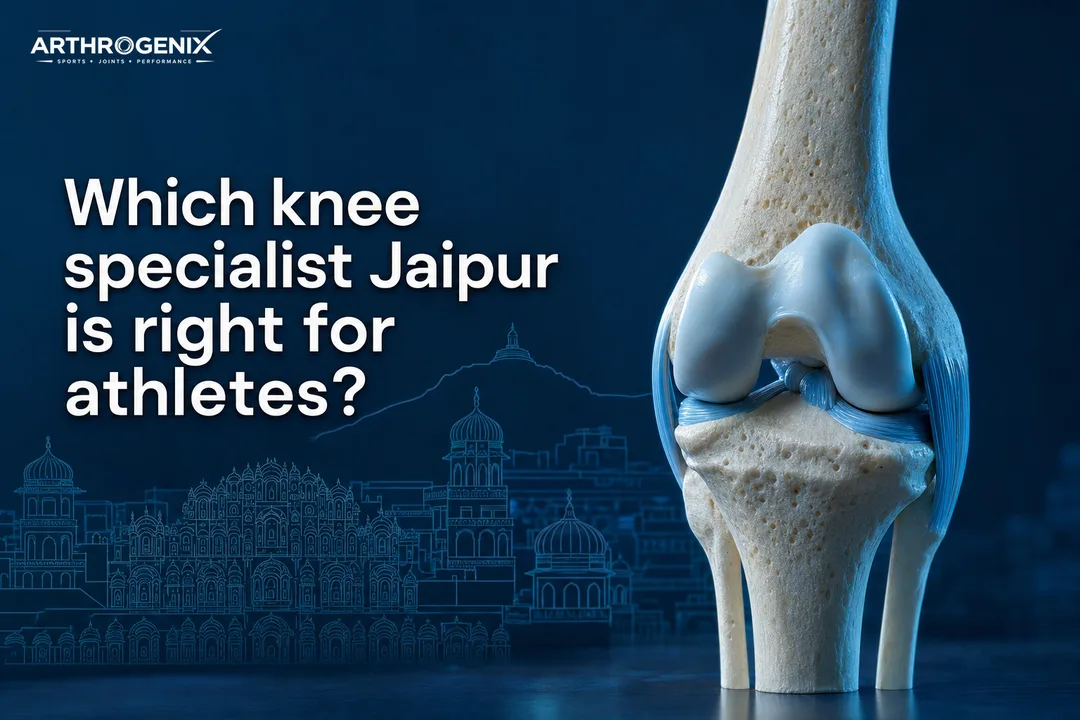
  • Which knee specialist Jaipur is right for athletes?

    Which knee specialist Jaipur is right for athletes?

    Which knee specialist Jaipur is right for athletes? If you compete, you need fast, accurate answers from a team that understands sport, training cycles, and the pressure to return safely. At ArthroGenix in Jaipur, we help athletes, weekend warriors, and active professionals get back to performance with precise diagnosis, minimally invasive care, and structured rehab under Dr. Abhishek Saxena, Senior Consultant in Shoulder, Knee, and Sports Injuries. In this guide, you will learn how to choose the right expert, what treatments actually help athletes, and how to plan a smart comeback.

    What athletes need from knee care in Jaipur

    Athletic knees are different. High-demand movements place rapid rotational and valgus stress on ligaments, menisci, and cartilage. Therefore, your clinician must read sport-specific mechanics, training loads, and season timing. In our clinic, we routinely test cutting, deceleration, single-leg landing, and fatigue patterns, not just straight-line strength. As a result, we catch subtle instability or rotational laxity that standard exams can miss.

    Moreover, sport decisions involve trade-offs. For instance, a competitive footballer with an acute ACL tear may benefit from early reconstruction to protect the meniscus. In contrast, a recreational runner with a small, stable tear might trial focused neuromuscular rehab first. Importantly, these calls depend on your goals, tissue quality, and calendar.

    Finally, your plan should integrate diagnostics, intervention, and rehab as one pathway. We coordinate imaging, arthroscopy when needed, and progressive return-to-play testing so each step builds on the last.

    How to choose a knee specialist Jaipur

    Choosing the right clinician can change your outcome and your timeline. First, look for a surgeon who treats sport injuries every week, not occasionally. Secondly, confirm they perform arthroscopy, ligament reconstruction, and meniscus repair with high volumes. Furthermore, ask how they coordinate rehab and return-to-sport testing with physiotherapists and trainers.

    Experience with ACL, PCL and meniscus matters

    Volume and case mix build judgment. For example, surgeons who regularly perform ACL and PCL reconstructions recognize when to favour anatomic tunnel placement, when to select hamstring versus BTB grafts, and when to repair rather than trim menisci in athletes. Notably, meniscus preservation protects shock absorption and may reduce future osteoarthritis risk when feasible.

    Additionally, ask about cartilage strategies. Likewise, experienced teams discuss chondroplasty, microfracture, or biologic augmentation only when evidence supports them in your context. Above all, the plan should be individualized.

    Questions to ask a knee specialist Jaipur

    Clear questions reveal how a clinician thinks. Consider these:

    • What is my exact diagnosis and mechanism of injury, and how does it affect cutting, pivoting, and landing?
    • Which imaging confirms the plan, and what limitations should I expect?
    • What are the pros and cons of surgical versus non-surgical care for my sport and season?
    • How do you decide graft type, repair vs. trim, or cartilage procedure in active patients?
    • What does my return-to-sport test battery include, and what criteria must I pass?

    Red flags to avoid

    Be cautious if you hear guaranteed timelines, one-size-fits-all graft choices, or vague rehab plans. In short, athletes need specifics, criteria, and checkpoints, not promises.

    For added context, review the surgeon’s outcomes, not just case numbers. Similarly, ask for sample rehab roadmaps and actual return-to-play criteria.

    What a sports orthopaedic surgeon weighs before recommending surgery

    Deciding on surgery is not just about the MRI. Instead, we weigh instability episodes, sport demands, season timing, associated damage, and your capacity to complete structured rehab. For example, we consider the status of the meniscus and cartilage, your pivot-shift grade, and functional deficits under load. Consequently, two athletes with similar scans may follow different paths.

    Evidence also shapes these discussions. A meta-analysis in the British Journal of Sports Medicine found that about 65% of athletes return to their preinjury sport after ACL reconstruction, while higher-level return depends on multiple psychological and physical factors (BJSM meta-analysis on return to sport). Therefore, you should weigh expected benefits against effort, time, and risk.

    Arthroscopy vs open surgery: making the call

    Most sport knee procedures are arthroscopic because small portals allow precise work with less soft-tissue disruption. According to the American Academy of Orthopaedic Surgeons, arthroscopy often results in less pain, fewer complications, and faster recovery than open surgery when clinically appropriate (AAOS overview of arthroscopy benefits). However, complex reconstructions or combined injuries can still demand more extensive approaches. Because of this, the surgeon’s breadth of skills matters.

    We also plan for what happens after the operating room. For instance, we schedule early quadriceps activation, patellar mobility, and range targets. Moreover, we set milestone-based progressions, not calendar-based guesses.

    When to seek help and how ArthroGenix supports your comeback

    If your knee locks, buckles, or swells after activity, do not wait. Early evaluation can prevent further meniscal or cartilage damage. Furthermore, timely diagnosis helps align your treatment with competition windows. At ArthroGenix, we see athletes quickly, perform targeted exams, and order imaging only when it changes the plan.

    Here is how we typically structure care for active knees:

    1. Accurate diagnosis: We combine history, sport mechanics, and focused tests like Lachman, pivot shift, McMurray, and dynamic balance screens.
    2. Imaging that answers a question: We request MRI to clarify meniscal tear patterns, cartilage status, or multi-ligament involvement when the result guides intervention.
    3. Right-first-time treatment: We prioritise tissue-preserving repairs, anatomic reconstructions, and minimally invasive techniques.
    4. Rehab and return testing: We use strength symmetry, hop tests, Y-Balance, landing control, and sport drills to decide readiness, not gut feel.

    In our experience with athletes across football, basketball, kabaddi, and distance running, a pattern repeats. Athletes who understand their plan and commit to criteria-based rehab reach confident performance sooner. Conversely, those who rush milestones often face setbacks.

    Notably, surgery is not always the first step. For example, some partial ligament injuries and stable meniscus tears respond well to targeted neuromuscular training and load management. The National Institute of Arthritis and Musculoskeletal and Skin Diseases emphasizes that treatment should match diagnosis and activity goals, not just imaging findings (NIAMS overview of knee problems).

    Because recovery is a team effort, we coordinate closely with physiotherapists and coaches. Additionally, we plan deloads, cross-training, and graded returns so your knee adapts as demands rise. Ultimately, our objective is a resilient athlete, not just a healed ligament.

    For private consults and second opinions, you can connect with our team at the Jaipur sports orthopaedic clinic. We tailor evaluations for athletes, active adults, and professionals who cannot afford repeated downtime.

    Now, let’s bring these pieces together so you can select wisely.

    First, define your performance goal and season window. Then, shortlist surgeons who regularly treat competitive athletes. Next, compare their approaches to meniscus preservation, graft selection, and return-to-play criteria. Finally, choose the clinician who explores options, sets realistic expectations, and partners with your rehab team.

    Here are practical signs you are in the right place:

    • The examination links your symptoms to sport-specific movements.
    • Imaging is ordered to answer targeted questions, not by default.
    • You receive a clear pathway with milestones, tests, and contingencies.
    • Meniscus-preserving and cartilage-protective strategies are discussed.
    • Return-to-sport depends on objective criteria, not the calendar alone.

    Finally, remember that outcomes vary. Age, sport, previous injuries, and adherence to rehab all shape your result. Therefore, avoid guarantees and choose clarity instead.

    At ArthroGenix, Dr. Abhishek Saxena specialises in advanced arthroscopy, ACL and PCL reconstruction, meniscus repair, rotator cuff procedures, shoulder and knee replacement, and joint preservation for active patients in Jaipur. Furthermore, our protocols emphasize accurate diagnosis, minimally invasive solutions, and structured rehabilitation for a confident return to play.

    In conclusion, the answer to “Which knee specialist Jaipur is right for athletes?” depends on experience, evidence-based decision-making, and an integrated rehab plan. If you are ready for a clear pathway that respects your sport, consult a trusted team and choose the knee specialist Jaipur who aligns with your goals. We are here to help with balanced advice and thoughtful care when you need it most.

  • Sports Orthopaedic Surgeon: 7 Jaipur Knee Arthroscopy Signs

    Sports Orthopaedic Surgeon: 7 Jaipur Knee Arthroscopy Signs

    At ArthroGenix Jaipur, our sports orthopaedic surgeon sees the same warning patterns every week. In this guide — Sports Orthopaedic Surgeon: 7 Jaipur Knee Arthroscopy Signs — you will learn when minimally invasive knee arthroscopy is likely the right next step and how to move forward with confidence.

    Do these signs point to knee arthroscopy?

    Not every sore knee needs surgery. However, certain symptoms suggest a mechanical problem inside the joint that simple rest will not fix. In our clinic work with athletes, active professionals, and seniors, we often see seven clear indicators that nudge us toward arthroscopy after a proper trial of conservative care.

    1) Painful catching or locking: If your knee suddenly locks or you feel a sharp catch during bending or twisting, a torn meniscus or loose cartilage fragment may be blocking smooth motion.

    2) Recurrent swelling after activity: Repeat effusions after runs, long walks, or stairs can mean tissue is getting irritated inside the joint every time you load it.

    3) Persistent pain despite focused rehab: If targeted physiotherapy, activity modification, and anti-inflammatories fail to restore function over several weeks, the pain may have a mechanical driver.

    4) Instability after a pivot or twist: A sense of the knee “giving way,” especially after a sports twist, raises concern for ligament injury or an unstable meniscal tear.

    5) Localised, reproducible clicking: Clicking that is painful and occurs at a certain angle, rather than harmless crepitus, often points to meniscus or cartilage flaps.

    6) Loose body sensations: A feeling that something is “floating” or moving inside the knee can be a cartilage or bone fragment that needs removal.

    7) Imaging-backed structural injury: When clinical findings match MRI evidence of an unstable meniscus tear, cartilage flap, or loose body, arthroscopy can address the root cause directly.

    7 red flags you shouldn’t ignore

    In the exam room, we test for these patterns methodically. For example, joint-line tenderness with a positive McMurray test strengthens the suspicion of a meniscus tear. Likewise, a pivot-shift or Lachman test suggests ACL laxity. Importantly, we weigh your goals, age, and activity level alongside imaging, because findings only matter when they map to your function.

    According to AAOS OrthoInfo guidance on arthroscopy, this minimally invasive approach uses small portals and a camera to diagnose and treat many intra-articular problems. Therefore, if your symptoms are mechanical and persistent, arthroscopy often provides both clarity and correction in the same sitting.

    When to see a sports orthopaedic surgeon in Jaipur

    Timing matters. First, give quality non-operative care an honest try with activity modification, structured physiotherapy, ice, and evidence-based injections when indicated. If your knee still catches, swells, or gives way, it is time to seek a focused evaluation. As a rule, pain that blocks your work, training, or sleep despite proper rehab deserves expert attention.

    Importantly, your goals shape the decision. A marathoner with a locking knee faces different demands than a desk professional who struggles with stairs. Because of this, we align recommendations with your season, schedule, and long-term joint health. If you need rapid clarity on the path forward, schedule a careful assessment at ArthroGenix.

    What a sports orthopaedic surgeon evaluates

    At your consult, we start with a detailed history. We map out the exact motion that triggers pain or locking. Next, we examine gait, swelling, alignment, range of motion, and ligament stability. We perform specific tests for the meniscus, cartilage, and cruciate ligaments. Then, we review imaging if available, or order targeted views and an MRI when clinical signs justify it.

    We explain trade-offs clearly. For instance, a stable, small meniscus tear may respond to rehab, while an unstable flap that locks the joint usually benefits from arthroscopy. Moreover, if you have combined issues, we outline staged versus single-sitting solutions, always keeping rehab and return-to-activity timelines realistic.

    Sports injury specialist or arthroscopy surgeon?

    Many patients ask whom to see first. A sports injury specialist with arthroscopy expertise can evaluate, image, and operate when needed, which streamlines care. Conversely, if you begin with general care and stall out, request a referral for a knee-focused assessment. Either path is fine; your goal is a diagnosis-led plan that matches your life, not one-size-fits-all advice.

    How minimally invasive arthroscopy helps you heal

    During knee arthroscopy, we create two or three small portals and insert a pencil-sized camera to view the joint. We then pass slim instruments to trim, repair, or remove the damaged tissue. As MedlinePlus explains, arthroscopy uses small incisions and specialized tools to diagnose and treat joint problems, often reducing soft-tissue trauma compared with open approaches.

    Because the incisions are small and muscle disruption is minimal, recovery can be faster than with open surgery for similar problems. However, healing time depends on what we do inside the knee. A partial meniscectomy typically allows earlier weight bearing, while a meniscus repair or ligament procedure needs more protection and a staged rehab plan.

    In our operating room, we prioritise tissue preservation. When possible, we repair the meniscus to protect long-term cartilage health. When repair is not feasible, we contour only the unstable portion to restore smooth motion. For cartilage flaps or loose bodies, we remove the culprit and address the underlying surface as indicated.

    Risks, recovery, and rehab basics

    Every procedure has risks. The most common include temporary swelling, stiffness, or discomfort. Infection and clots are rare but important to prevent and recognise early. We discuss these upfront and build a plan that reduces risk and supports safe progress. Furthermore, we coordinate closely with your physiotherapist so you gain strength and confidence week by week.

    Day 1–7: early mobility goals

    Right after surgery, we focus on swelling control, gentle range of motion, and a normal walking pattern as allowed by your specific procedure. Then we add progressive strengthening, balance work, and sport-specific drills as healing milestones are met. Finally, we clear you for return to sport when your strength, control, and confidence meet objective criteria.

    Use this simple checklist to stay on track:

    • Ice and elevate as directed to limit swelling.
    • Follow your weight-bearing and brace instructions exactly.
    • Work on gentle extension and flexion under guidance.
    • Do daily quad activation and straight-leg raises if cleared.
    • Report new calf pain, fever, or severe redness immediately.

    According to AAOS OrthoInfo, most patients resume desk work soon after simple arthroscopy, while higher-impact sports require a longer, criteria-based return. Therefore, your timeline is individual, and your plan should flex with your response to rehab rather than fixed dates on a calendar.

    Your next steps with ArthroGenix Jaipur

    If your symptoms match the signs above, do not ignore them. Instead, get a precise diagnosis and a plan that respects your goals. We begin with the least invasive path that can work. If arthroscopy is the best option, we explain the steps, the rehabilitation roadmap, and the likely trade-offs in plain language. Choose a sports orthopaedic surgeon who treats you like a partner, not a case number.

    At ArthroGenix, led by Dr. Abhishek Saxena, we look after athletes, active adults, and seniors with the same attention to detail. In our experience, a clear exam, matched imaging, and a personalised rehab plan produce the best outcomes. For an expert review of your knee and a calm, structured plan, contact Jaipur’s arthroscopy-focused team at ArthroGenix. Results vary based on your specific injury, overall health, and commitment to rehab, so we set expectations together.

    Ready to move without fear of catching, swelling, or giving way? Book a thoughtful evaluation, ask every question you have, and decide at your pace. If surgery is appropriate, speaking with a sports orthopaedic surgeon at ArthroGenix will help you choose the safest and most effective route back to activity.

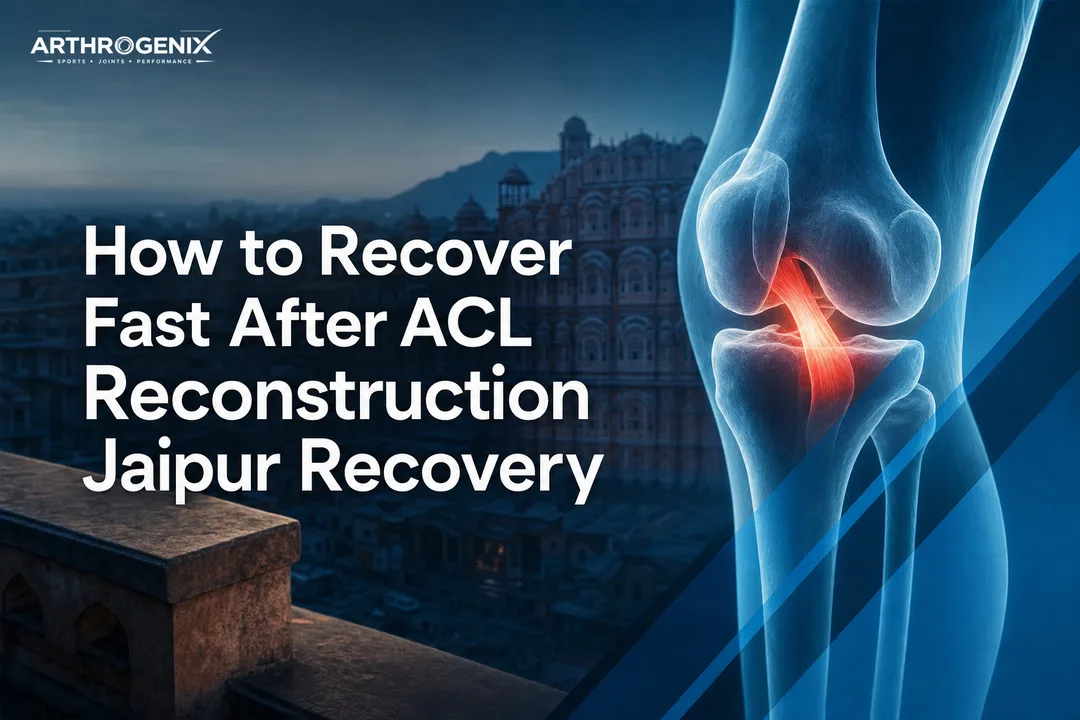
  • How to Recover Fast After ACL Reconstruction Jaipur Recovery

    How to Recover Fast After ACL Reconstruction Jaipur Recovery

    If you are searching for actionable guidance on ACL reconstruction in Jaipur, you are in the right place. How to Recover Fast After ACL Reconstruction Jaipur Recovery is the step-by-step plan you can follow today. In this guide, we explain exactly how to speed up healing, protect your new graft, and return to sport safely. We also share insights from our daily work as a sports orthopaedic team at ArthroGenix so you know what works in the real world.

    Why rapid recovery matters after ACL surgery

    Fast does not mean reckless. Instead, it means efficient, safe progress at each stage. Early wins build momentum and reduce frustration. For example, restoring full knee extension early improves your gait and helps you avoid compensations in the hip and back. Moreover, a calm, confident start often enhances adherence to rehab, which drives consistent gains.

    In our Jaipur practice, we see a clear pattern. Patients who control swelling, achieve full extension, and activate the quadriceps within the first two weeks move better at six weeks. Furthermore, they tolerate balance and strength drills sooner. As a result, they often reach functional testing milestones on schedule.

    Return-to-sport timing still demands patience. A 2014 systematic review reported that about 65% of patients return to their preinjury level after reconstruction, while 82% return to some sport. The study highlights that psychological readiness and objective strength both matter (Ardern et al., BJSM, PubMed). Therefore, a well-structured plan beats guesswork every time.

    ACL rehab in Jaipur: essentials

    Every program must respect your graft type, fixation method, meniscus status, and surgeon’s findings. Additionally, climate and lifestyle in Jaipur influence swelling control and hydration. Consequently, we tailor icing routines, compression choices, and activity pacing to fit your day. Finally, we align your clinic sessions with a home program so you keep improving between visits.

    ACL reconstruction Jaipur recovery timeline: week by week

    These phases reflect common milestones we use with athletes and active adults. However, your surgeon and physiotherapist should personalize each step for you. Importantly, a meniscus repair, cartilage procedure, or PCL involvement may change weight-bearing and range goals.

    Milestones most patients reach

    Phase 1 (Days 1–14): calm the knee, protect the graft, and get the quads working. First, aim for full knee extension, gentle flexion to tolerance, and good patellar mobility. Next, manage swelling with icing, compression, and elevation. Finally, use short, frequent walks with crutches as advised.

    Phase 2 (Weeks 3–6): normalize gait, build a solid strength base, and improve balance. Additionally, practice closed-chain drills such as supported mini-squats and step-ups. In addition, add gentle cycling for range and low-impact conditioning when cleared.

    Phase 3 (Weeks 7–12): intensify strength, progress single-leg control, and start low-impact agility. Moreover, introduce controlled treadmill walking on gradients and begin light lateral movement drills if criteria are met. Importantly, your team should monitor swelling response to each change.

    Phase 4 (Months 3–6): advance plyometrics, directional change, and running progressions. To illustrate, you may shift from walk–jog intervals to graded sprints once you clear hop and strength tests. Above all, respect symptom feedback and build volume step by step.

    Week 2–4 goals

    By the end of week 4, many patients walk without a limp, gain near-full flexion, and activate quads on command. However, you still protect against twisting, pivoting, and uncontrolled descent from steps. Notably, quality of movement matters more than quantity now.

    Warning signs that need your surgeon’s input

    Persistent night pain, increasing swelling with warmth, or calf tenderness warrant prompt evaluation. Likewise, a locked knee or sudden loss of motion needs fast attention. Therefore, do not push through significant pain or mechanical symptoms. Your team wants to see you early rather than late.

    What to do today: pain, swelling, and mobility

    Pain control sets the table for quality movement. Consequently, use your prescribed medications as directed by your surgeon. In addition, combine them with simple, effective modalities: icing, gentle compression, and elevation. The NHS also recommends structured rehab, crutch use as needed, and careful activity progress for the safest outcomes (NHS guidance on ACL reconstruction).

    Swelling behaves like a volume knob on your knee. Therefore, check it morning and evening. If it rises after an activity, scale back and adjust icing frequency. Meanwhile, practice ankle pumps and gentle quad sets to promote circulation and reduce stiffness. Importantly, never hold your breath during drills. Smooth breathing relaxes protective muscle tension.

    Mobility comes next. First, focus on terminal knee extension. For example, use a heel prop and a towel roll under the ankle for gentle gravity-assisted straightening, as approved by your team. Second, add heel slides for flexion. Finally, keep the kneecap moving with light superior–inferior and medial–lateral glides to prevent adhesions.

    Best practices for ACL reconstruction Jaipur recovery at home

    Schedule your home routine in short blocks across the day. As a result, you maintain frequency without fatigue. For instance, complete two or three mini-sessions rather than one long session. Moreover, set reminders so you never miss your icing, mobility, and activation windows.

    Prepare your environment. Keep your ice packs, compression sleeves, and pillows within reach. In addition, choose footwear with stable soles and no heel lift. Because Jaipur heat can amplify swelling, hydrate consistently. Consequently, your tissues recover better and your workouts feel smoother.

    Lean on expert check-ins. An experienced sports orthopaedic team will spot compensations early. Therefore, consider periodic reviews at ArthroGenix to refine mechanics, progress exercises, and plan your return to running or sport.

    • Ice 10–15 minutes, 3–5 times daily, unless told otherwise.
    • Elevate the leg so the heel is higher than the knee and the knee higher than the hip.
    • Complete quad sets and ankle pumps every few hours while awake.
    • Walk little and often, keeping a smooth, symmetrical stride.
    • Check incision sites daily, and keep them clean and dry as directed.

    When to push, when to pause: safe return to sport

    Criteria beat calendars. Therefore, let strength ratios, hop tests, movement quality, and psychological readiness guide the timeline. The American Academy of Orthopaedic Surgeons emphasizes structured rehabilitation, swelling control, and progressive strengthening before sport (AAOS guidance on ACL reconstruction). Importantly, your goals must match your tests, not just the number of weeks since surgery.

    Progress when you earn it. As a rule, advance only one training variable at a time: volume, intensity, or complexity. For example, increase running intervals this week, and add cutting drills next week. In contrast, stacking both in the same week often spikes soreness and swelling.

    Pause when your knee tells you. If swelling lingers 24 hours after a new drill, dial back and reassess technique. Similarly, if you favor the non-operative side during landings, return to supported patterns and rebuild symmetry. Above all, protect confidence by stacking small, repeatable wins.

    Finally, plan a graded return to your specific sport. Cricket footwork, football cutting, and court sports demand different drills and timelines. Therefore, your surgeon and physiotherapist should collaborate on a sport-matched plan. As a result, you target the skills that matter most, when your testing shows you are ready.

    What we adjust in clinic to speed safe recovery

    In our day-to-day work with athletes in Jaipur, we prioritize technique over load. Notably, even a light squat teaches the brain–knee connection if the alignment is perfect. Furthermore, we teach patients how to auto-correct knee valgus and trunk sway on single-leg tasks. Consequently, they reduce risky movement patterns early.

    We also batch sessions. For instance, we place mobility first, then activation, then strength within the same visit. Therefore, you enjoy better range, sharper muscle firing, and safer loading in one flow. Meanwhile, we measure responses with simple markers: swelling tape, pain rating, and video review of form.

    Where needed, we coordinate bracing, taping, or shoe inserts. Importantly, these are temporary tools to support mechanics, not crutches to mask deficits. In short, we use the least support that delivers the most control.

    Nutrition, sleep, and mindset tips that move the needle

    Fuel recovery as if it were training. For example, add protein to each meal, include colorful produce, and maintain steady hydration. Moreover, time a protein-rich snack after rehab sessions. Consequently, your muscles adapt faster.

    Sleep deep and consistent. Because tissue repair accelerates during sleep, protect your schedule. Additionally, use a light pillow under the calf to ease hamstring tension if approved. Importantly, avoid sleeping with the knee propped in a bent position, which can limit extension progress.

    Mindset matters. Therefore, set short goals each week and track them. For instance, record extension degrees, step counts, and exercise loads. As a result, you will see progress even on days that feel slow.

    Medications, braces, and safety notes

    Follow your surgeon’s plan for medications, dressings, and brace settings. Furthermore, confirm when to remove the brace for exercise and sleep. If you have a meniscus repair, respect the flexion and weight-bearing limits. In particular, never force a locked or painful range.

    If a concern arises, contact your care team immediately. Because early action prevents setbacks, we encourage questions. Our aim is a confident, steady return to the activities you love.

    In closing, the fastest path is the safest, most consistent path. Therefore, plan your week, track milestones, and respond to your knee’s feedback. If you want expert eyes on your form or a personalized progression, our Jaipur sports orthopaedic team at ArthroGenix is here to help. For search clarity and to recap the goal, ACL reconstruction Jaipur recovery thrives on smart loading, precise technique, and honest pacing.

  • How Jaipur athletes choose a sports orthopaedic surgeon

    How Jaipur athletes choose a sports orthopaedic surgeon

    How Jaipur athletes choose a sports orthopaedic surgeon comes down to trust, outcomes, and clear communication. If you are weighing options for a knee or shoulder injury, this guide shows you how Jaipur’s competitive athletes evaluate care, what to ask in a consult, and how a focused clinic like ArthroGenix supports a safe, confident return to play.

    What really drives Jaipur athletes’ decisions

    Serious competitors look beyond big claims. First, they assess whether the surgeon routinely treats sports injuries similar to theirs, such as ACL tears, meniscus damage, rotator cuff tears, or recurrent shoulder instability. Next, they consider the clinic’s rehab ecosystem, because the pathway after surgery often defines the final result.

    At ArthroGenix, our team sees this pattern every week. For example, a footballer with an ACL rupture usually asks about graft choice, arthroscopic technique, and return-to-sport criteria. Meanwhile, a swimmer with shoulder impingement wants to know whether careful rehab or subacromial decompression will solve pain faster. Therefore, we map options with data, not hype.

    Finding the best orthopaedic surgeon in Jaipur

    Experience matters, yet numbers alone rarely tell the full story. Instead, evaluate subspecialty focus and ask for case examples that match your sport and level. In addition, review how the surgeon partners with physiotherapists, athletic trainers, and coaches to sequence milestones, because great surgery without integrated rehab often delays your comeback.

    How to vet a sports orthopaedic surgeon in Jaipur

    Before you choose, look for evidence that the surgeon blends precision diagnosis, minimally invasive technique, and structured rehab. Importantly, confirm that the clinic shares recovery timelines and objective testing before clearing you for sport.

    • Track record in arthroscopy: ACL/PCL reconstruction, meniscus repair, and shoulder stabilisation performed routinely
    • Clear return-to-play criteria: strength symmetry, hop tests, and movement quality, not only time since surgery
    • Imaging and exam clarity: Lachman and pivot-shift for knees; impingement and instability tests for shoulders
    • Rehab integration: in-house or closely coordinated physiotherapy with progressive loading and sport-specific drills
    • Informed risk discussion: graft options, re-tear risks, and realistic timelines explained in plain language

    Furthermore, confirm that the clinic uses arthroscopy when appropriate. According to MedlinePlus, arthroscopy uses a small camera and tiny incisions to diagnose and treat joint problems, which may reduce tissue trauma compared with open approaches when properly indicated. MedlinePlus explains how arthroscopy uses small incisions and a camera.

    Questions to ask your sports orthopaedic surgeon

    Direct questions unlock honest expectations. Therefore, take this shortlist to your consult and ask for concrete answers.

    1. How many cases like mine have you treated in the past year?
    2. Which surgical technique do you prefer and why for my sport and position?
    3. What objective tests will I need to pass before I return to competition?
    4. What are the most likely complications and how do you minimise them?
    5. How will you and the physio coordinate my week-by-week rehab plan?

    Red flags to watch

    Be cautious if someone guarantees a timeline, dismisses rehab, or avoids discussing risks. Also, avoid plans that skip objective strength or movement testing before return to sport. Finally, watch for vague imaging interpretations without a clear clinical exam.

    Treatment pathways Jaipur athletes rely on

    Every injury needs a tailored plan. However, common pathways help you visualise the road ahead. Here is how we typically guide knee and shoulder athletes at ArthroGenix, with adjustments for your sport, age, and goals.

    ACL or PCL tears: After swelling control and motion recovery, we discuss reconstruction versus nonoperative care based on instability, sport demands, and associated injuries. For many pivoting sports, reconstruction restores stability. Notably, the American Academy of Orthopaedic Surgeons notes that return to sport after ACL reconstruction often takes 9 to 12 months when you follow criteria-based rehab. AAOS outlines typical ACL recovery timelines and surgical considerations.

    Meniscus tears: We prioritise meniscus preservation when possible. Therefore, we recommend repair for tears with healing potential, especially in young or high-demand athletes. When a tear does not suit repair, we perform a careful partial meniscectomy to preserve as much tissue as possible. In either case, rehab restores motion, reduces swelling, and rebuilds neuromuscular control for cutting and landing.

    Cartilage injuries: Because cartilage heals poorly, we use a stepwise strategy. First, we reduce pain and inflammation. Next, we consider techniques like microfracture or advanced preservation procedures depending on lesion size, location, and your goals. Importantly, loading progresses cautiously to protect the repair environment.

    Shoulder instability and labral tears: Recurrent dislocators or contact athletes often need stabilisation. We match the approach to bone loss, sport demands, and instability pattern. Consequently, arthroscopic Bankart repair or bony procedures can restore stability. We then rebuild rotator cuff and scapular control to prevent recurrence during overhead or collision play.

    Rotator cuff injuries: We weigh nonoperative rehab against surgical repair based on tear size, tissue quality, and performance goals. Many partial tears improve with targeted loading and technique adjustments. However, full-thickness tears in active adults may benefit from arthroscopic repair and structured strengthening. For background on shoulder arthroscopy and common indications, see MedlinePlus on arthroscopy fundamentals.

    Throughout these pathways, we use progressive, criteria-based clearance. For example, a field athlete advances only after side-to-side strength symmetry and functional tests look solid. As a result, you reduce re-injury risk and protect long-term joint health.

    Why many athletes trust ArthroGenix in Jaipur

    In our daily practice, we see one theme: clarity creates confidence. First, we diagnose with a thorough clinical exam and imaging when needed. Then we explain the anatomy, the mechanism of injury, and the full spectrum of solutions, from targeted rehab to advanced arthroscopy.

    Dr. Abhishek Saxena leads our sports injury service with a focus on arthroscopy, ligament reconstruction, meniscus repair, rotator cuff treatment, shoulder stabilisation, joint preservation, and knee replacement when appropriate. Moreover, we align your plan with your season, your position, and your long-term goals. Importantly, we never promise a date on the calendar without objective criteria.

    We also believe in coordination. Therefore, our team collaborates closely with your physiotherapist and coach. We sequence load, movement patterns, and agility work so you build capacity rather than simply waiting out a timeline. When decisions carry trade-offs, we share them transparently, including graft choices for ACL reconstruction and expected rehab demands for each option.

    Because trust grows with transparency, we encourage second opinions and open questions. In fact, many athletes visit us after meeting multiple clinics. They often choose the plan that made the most sense, not the plan that sounded the quickest.

    For perspective on evidence and safety, we keep current with sports medicine research and recognised guidelines. Additionally, we reference consensus recommendations and publish data-backed return-to-play criteria. You can see our patient-first approach on the ArthroGenix website.

    How we build your return-to-play roadmap

    First, we set early targets: swelling control, full extension for knees, and pain-calibrated range for shoulders. Next, we progress strength and neuromuscular control. Then we integrate linear running, deceleration, change of direction, and sport-specific drills. Finally, we clear you with objective tests and a graded re-entry plan.

    This structure protects tissue healing while restoring performance. Consequently, you avoid the trap of feeling fine at six weeks and then rushing too soon. Above all, we emphasise repeatable criteria, not guesswork.

    We also discuss long-term joint health. For example, after a meniscus procedure, we manage impact, alignment, and strength to protect cartilage. Similarly, after shoulder stabilisation, we maintain cuff and scapular strength to resist future instability. As a result, your performance window can stay open longer.

    Finally, we align expectations. Results vary due to age, sport, tissue quality, and adherence to rehab. However, a precise plan and consistent execution usually deliver steady, confidence-building wins.

    Choosing with confidence: next steps for Jaipur athletes

    Now that you know how the best competitors decide, take action. First, shortlist two or three clinics. Second, book consults and bring the questions above. Third, compare plans based on clarity, criteria, and coordination, not just surgery timing. If you want a structured, athlete-focused opinion, meet us at ArthroGenix in Jaipur.

    In closing, the right partner blends evidence, experience, and honest guidance. If you follow the steps in How Jaipur athletes choose a sports orthopaedic surgeon, you will recognise a great fit quickly. When you need nuanced advice from a team that treats weekend warriors and elite competitors alike, we are here to help.

    ArthroGenix offers advanced arthroscopy, ACL and PCL reconstruction, meniscus repair, rotator cuff repair, shoulder stabilisation, joint preservation, and replacement when indicated. Our clinicians deliver this care daily, and we keep learning so you return stronger and safer. For personalised guidance from a trusted sports orthopaedic surgeon, schedule a thoughtful consult. We will tailor your plan, set clear milestones, and support every step.